Malta’s Office Market in a Period of Global Instability: Demand, Pricing, and Strategic Positioning
The Russia-Ukraine war and Middle East tensions are urging businesses to reassess risk, supply chains, insurance costs, and where they actually want their people and operations based.
While these events influence many countries across Europe, Malta remains only very mildly affected. It continues to operate as a stable, EU-aligned business environment with a high degree of predictability for corporate structuring, relocation, and office expansion. For most internationally oriented firms, Malta rightly falls into the category of safe, and strategically neutral jurisdictions.
Limited Direct Exposure, Real Practical Stability
Malta isn’t sitting next to any conflict zone. The island is not part of any immediate geopolitical corridor, nor does it sit within active maritime or land-based risk zones. The risks that do hit are second-order: occasional flight adjustments, and general investor caution.
For companies considering relocation or expansion, Malta continues to offer a combination of:
EU regulatory alignment
English-speaking business environment
predictable legal and corporate framework
geographic insulation from conflict zones
established international services ecosystem
This is exactly why several mid-sized iGaming and fintech groups have continued or even accelerated Malta setups over the last 18-24 months.
Tax and Structuring Still the Main Driver
Beyond stability, Malta’s competitiveness is strongly anchored in its fiscal and corporate structure:
effective corporate tax structures with refund mechanisms for shareholders
extensive double taxation treaty network
participation exemption framework for holding structures
EU-compliant but business-oriented regulatory system
incentives supporting sectors such as iGaming, financial services, aviation, and fintech
These mechanisms continue to position Malta as a strategic base for companies that require EU access while maintaining tax efficiency and operational flexibility.
Perfect for iGaming HQs, payment companies routing EU flows, or wealth structures needing a respectable base. Geopolitical challenges actually makes Malta even more attractive, businesses want a predictable EU spot instead of chasing shiny but questionable alternatives.
Office Rental Reality on the island
The Maltese office market is not experiencing volatility from geopolitical conditions. Demand remains steady, but decision-making is more selective. Companies are prioritising:
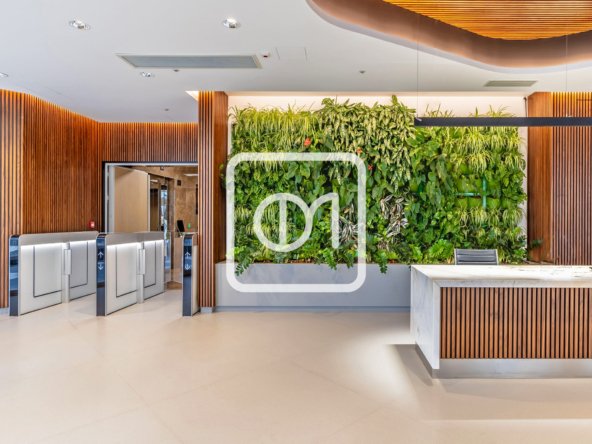
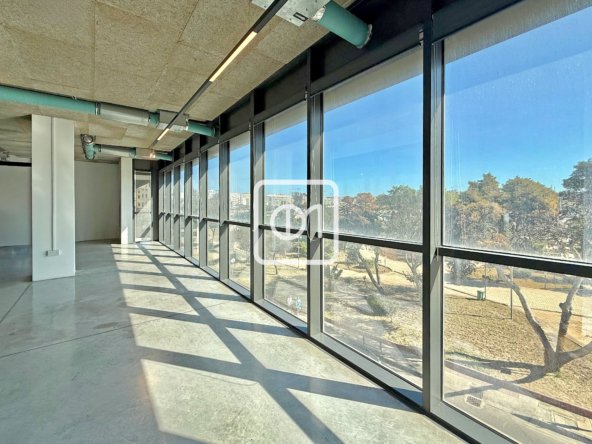
Grade A office space in established commercial hubs
efficient layouts supporting hybrid work models
consolidation of operations into fewer but higher quality locations
Commercial office rental levels in Malta during 2026:
Sliema / St Julian’s: €230 – €480/sqm/year – modern buildings with good fit-outs. This is where many iGaming and payments companies want to be for talent attraction and image.
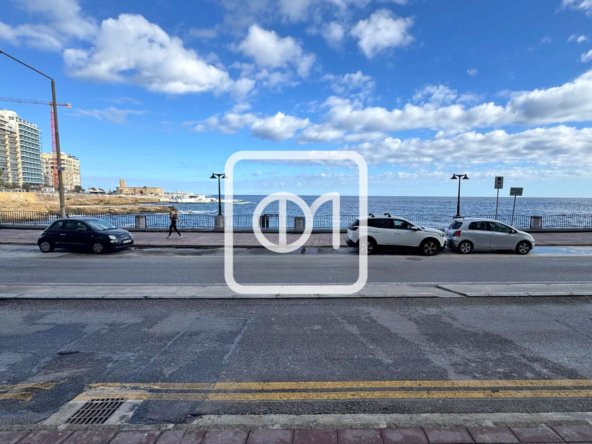
Gżira / Ta’ Xbiex: €220 – €400/sqm -increasingly popular, slightly better value than Sliema core, good sea views in some buildings.
Mrieħel CBD: €140 – €380/sqm – the value play for larger operations that don’t need the tourist-area address. Several bigger gaming and back-office setups have consolidated here.
Secondary areas: €120–190/sqm – fine for pure back-office or storage, but harder to attract and retain good staff.
Companies are letting go of older, inefficient spaces and paying up for Grade A with proper aircon, reliable internet, generator backup, and hybrid-friendly layouts.
Cyprus vs Dubai vs Malta for Your Sector
Cyprus shares many structural similarities with Malta (EU + tax policy) but sits closer to the Eastern Mediterranean corridor where geopolitical escalation is more directly transmitted through shipping lanes, aviation routes, and regional logistics networks.
This does not mean instability. Cyprus remains a stable EU economy. However, sentiment is more reactive during periods of heightened tension in the Middle East.
In practical terms, Cyprus can experience more fluctuation in enquiry flow, some shipping and certain trading desks feel it more. For pure iGaming and payments, the difference is marginal, however traveling and life flow might remain interrupted for a while.
Dubai is often positioned as a global business hub insulated from regional instability. In reality, it is closely tied to the same geopolitical environment that is currently under pressure.
The Middle East conflict landscape affects Dubai through:
regional investor sentiment shifts
aviation and airspace risk management
insurance pricing for cross-regional operations
capital flow sensitivity from Asia, Europe, and the wider Gulf region
Unlike Malta, where exposure is indirect and buffered through EU systems, Dubai sits within the same regional risk sphere.
Despite this, Dubai continues to attract corporate relocations due to scale, taxation structure, and its role as a regional headquarters hub, however raises many stability and safety concerns.
Office pricing comparison (annual per sqm) Cyprus, Dubai and Malta
To contextualise Malta’s positioning: Malta
Prime zones: €230 – €480 / sqm
Secondary zones: €120 – €220 / sqm
Cyprus
Prime zones: €200 – €320 / sqm
Secondary zones: €120 – €200 / sqm
Dubai
Prime districts: €260 – €600+ / sqm equivalent
Malta sits between Cyprus and Dubai in pricing terms, but the structure behind those prices is different. Malta’s market is defined by limited supply, Cyprus by broader availability and regional sensitivity, and Dubai by concentrated global capital inflows that are themselves more exposed to Middle Eastern geopolitical cycles.
Market direction: geopolitical stability is becoming a new competitive point
Malta remains slightly impacted by current events and continues to provide a reliable environment for business relocation and expansion.
The combination of:
EU membership
stable governance
mild geopolitical exposure
competitive tax framework
established professional services ecosystem
keeps Malta firmly positioned as a safe and practical jurisdiction for international businesses.
The office market reflects this reality: stable demand, quality-led absorption, and sustained interest from firms seeking a predictable base within the European Union.
If you’re considering expansion or relocation to Malta:
Focus on prime or good locations, such as Sliema/St Julian’s, Gżira or Mrieħel.
Pay more attention on fit-out contributions and force major clauses.
Think hybrid: many companies are taking slightly less space per person rather than going cheap on locations and quality.
The combination of regulatory substance, tax efficiency, and physical/political distance from conflict zones continues to work in Malta’s favor. Steady rather than new, which right now is exactly what many operators want.
Check best offices available right now in Malta’s top locations and contact us to know more